
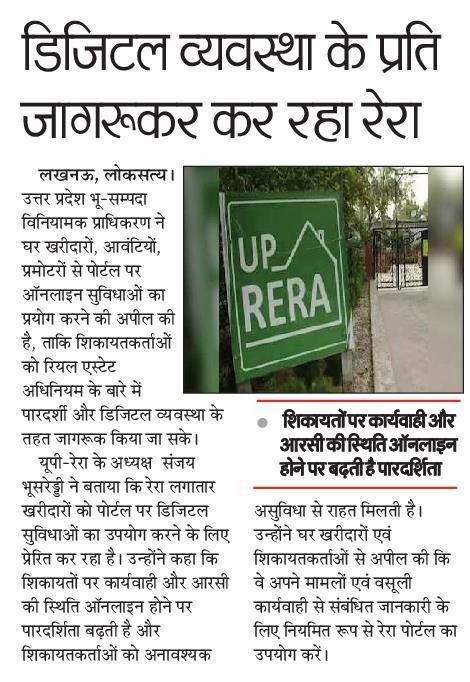
The real estate sector in India has undergone a significant transformation over the past few years. One of the most important developments has been the growing adoption of digital systems that make information more accessible, transparent, and consumer-friendly. At the center of this transformation is the Real Estate Regulatory Authority (RERA), which continues to promote awareness about digital processes through its official website and online services.
For homebuyers, investors, developers, and other stakeholders, understanding these digital processes is no longer optional. Whether you want to verify a project’s registration, file a complaint, track a case, or access important regulatory information, the RERA website has become a valuable resource that simplifies many aspects of real estate transactions.
This shift toward digital governance is helping create a more transparent real estate ecosystem where consumers can make informed decisions and access essential services with greater convenience.
The Growing Importance of Digital Transformation in Real Estate
Technology has changed the way people buy homes, conduct financial transactions, and interact with government authorities. The real estate sector is no exception.
In the past, obtaining project information or filing a grievance often required multiple visits to offices, extensive paperwork, and long waiting periods. These traditional processes could be time-consuming and confusing for many consumers.
Today, digital platforms are making these services more accessible. Through online systems, users can access information instantly, submit applications electronically, and monitor progress in real time.
Recognizing these benefits, RERA has actively encouraged stakeholders to use its digital services and become familiar with online procedures.
Understanding the Role of RERA
The Real Estate (Regulation and Development) Act was introduced to bring greater transparency, accountability, and efficiency to the real estate sector.
The primary objectives of RERA include:
- Protecting homebuyers’ interests
- Promoting transparency in project information
- Regulating developers and real estate agents
- Encouraging fair business practices
- Providing mechanisms for dispute resolution
To achieve these goals effectively, digital tools and online services have become an essential part of the regulatory framework.
Why RERA Is Promoting Digital Awareness
One of the biggest challenges faced by consumers is a lack of awareness about their rights and available resources. Many buyers are unaware that valuable information is already accessible online.
By promoting digital awareness, RERA aims to help users:
- Access reliable project information
- Verify builder credentials
- Understand their legal rights
- File complaints more efficiently
- Track ongoing cases online
- Stay updated with regulatory developments
Digital awareness empowers consumers to make informed decisions and reduces dependence on intermediaries for basic information.
How the RERA Website Helps Homebuyers
The official RERA website serves as a centralized platform where users can access important information related to real estate projects and regulatory processes.
Project Verification
One of the most useful features available to homebuyers is project verification.
Before investing in a property, buyers can check whether a project is registered under RERA. They can review details such as project timelines, approvals, developer information, and declared commitments.
This transparency allows consumers to conduct due diligence before making a financial commitment.
Builder Information
The website also provides information about registered developers and real estate agents.
Access to verified information helps buyers assess the credibility of developers and make more informed purchasing decisions.
Public Access to Regulatory Information
The platform contains various orders, notices, circulars, and updates that help users stay informed about regulatory developments affecting the real estate sector.
Online Complaint Filing: A Major Step Toward Consumer Protection
One of the most significant advancements introduced through digital processes is the ability to file complaints online.
Consumers facing issues such as delayed possession, project delays, misleading advertisements, or other grievances can use the online complaint mechanism to initiate proceedings.
The digital complaint process offers several advantages:
- Faster submission of applications
- Reduced paperwork
- Better documentation management
- Easier communication
- Improved transparency
For many consumers, this accessibility removes barriers that previously discouraged them from pursuing legitimate grievances.
The Benefits of Online Case Tracking
After filing a complaint, staying informed about case developments is equally important.
Digital case tracking enables users to:
- Monitor complaint status
- View hearing schedules
- Access orders and updates
- Track procedural progress
- Maintain records electronically
This level of transparency helps build confidence in the regulatory process and reduces uncertainty for complainants.
Why Digital Transparency Matters in Real Estate
Real estate transactions often involve substantial financial investments. Buyers naturally want assurance that information provided by developers is accurate and reliable.
Digital transparency supports this objective by making key information publicly accessible.
When project details, registration status, approvals, and compliance records are available online, consumers can make decisions based on verified information rather than assumptions or marketing claims.
This transparency benefits both buyers and responsible developers by promoting trust within the market.
Empowering Consumers Through Information
An informed buyer is better equipped to avoid potential risks.
By increasing awareness about digital services, RERA encourages consumers to:
- Verify project credentials independently
- Review regulatory information
- Understand legal protections
- Monitor project developments
- Report grievances when necessary
This empowerment contributes to a healthier and more accountable real estate environment.
How Digital Processes Improve Efficiency
Digital systems do more than improve accessibility; they also enhance operational efficiency.
Online processes help reduce:
Administrative Delays
Electronic submissions eliminate many manual procedures and reduce processing bottlenecks.
Documentation Challenges
Digital records are easier to organize, retrieve, and maintain than paper-based files.
Communication Gaps
Users can receive updates and notifications electronically, improving communication between stakeholders and authorities.
Resource Consumption
Reduced paperwork supports more sustainable and environmentally friendly operations.
Common Digital Services Available Through RERA Platforms
Although specific features may vary, many RERA portals offer services such as:
- Project registration information
- Agent registration verification
- Complaint filing systems
- Case status tracking
- Public notices and orders
- Regulatory updates
- Downloadable forms and resources
These services are designed to simplify interactions between consumers and regulatory authorities.
The Importance of Digital Literacy for Homebuyers
While online services provide convenience, users must also understand how to use them effectively.
Basic digital literacy can help buyers:
- Navigate official portals confidently
- Identify authentic information sources
- Avoid misinformation
- Complete online procedures accurately
- Protect personal and financial information
As digital adoption increases, these skills become increasingly valuable in the property-buying journey.
Challenges in Digital Adoption
Despite significant progress, some challenges remain.
Limited Awareness
Many consumers are still unaware of available online resources and services.
Technology Barriers
Certain users may face difficulties due to limited digital skills or internet access.
Information Overload
The large amount of information available online can sometimes overwhelm first-time users.
Security Concerns
Some individuals remain hesitant about sharing information through digital platforms.
Continuous awareness initiatives help address these concerns and encourage wider adoption.
The Future of Digital Real Estate Governance
The real estate sector is likely to become even more technology-driven in the coming years.
Emerging trends may include:
- Enhanced online services
- Faster digital workflows
- Improved user interfaces
- Greater data transparency
- Better integration with government systems
- More consumer-centric digital tools
These developments have the potential to further simplify regulatory processes and improve user experiences.
Tips for Using RERA Digital Services Effectively
To make the most of available online resources, users should:
Verify Information Regularly
Check official sources before relying on project-related claims.
Keep Digital Records Organized
Maintain copies of important documents, communications, and transaction records.
Stay Updated
Review announcements, notices, and updates published on official platforms.
Use Secure Access Methods
Protect personal information by using trusted devices and secure internet connections.
Seek Professional Guidance When Needed
For complex matters involving disputes or regulatory procedures, professional advice can help users better understand their options.
Building a More Transparent Real Estate Ecosystem
The increasing emphasis on digital awareness reflects a broader effort to improve transparency and accountability across the real estate industry.
When consumers have easy access to information, they are better positioned to make informed decisions, identify potential risks, and exercise their rights effectively.
At the same time, developers benefit from clearer processes and greater trust among buyers.
This balance helps create a healthier and more sustainable real estate market.
Conclusion
RERA’s efforts to create awareness about digital processes represent an important step toward modernizing India’s real estate sector. By encouraging stakeholders to use online services, access verified information, and engage with regulatory systems digitally, RERA is helping make real estate transactions more transparent, efficient, and consumer-focused.
For homebuyers, understanding these digital tools can lead to better decision-making, greater confidence, and improved access to important information. As digital adoption continues to grow, awareness of these processes will play a crucial role in shaping a more accountable and transparent real estate ecosystem for everyone involved.